

Where a Boat Trailer Can Legally Sit in Southampton Town
The boat goes in the water in May. The empty rig goes in the driveway. That is the plan almost everyone makes, and most people never check whether it...
2 min read
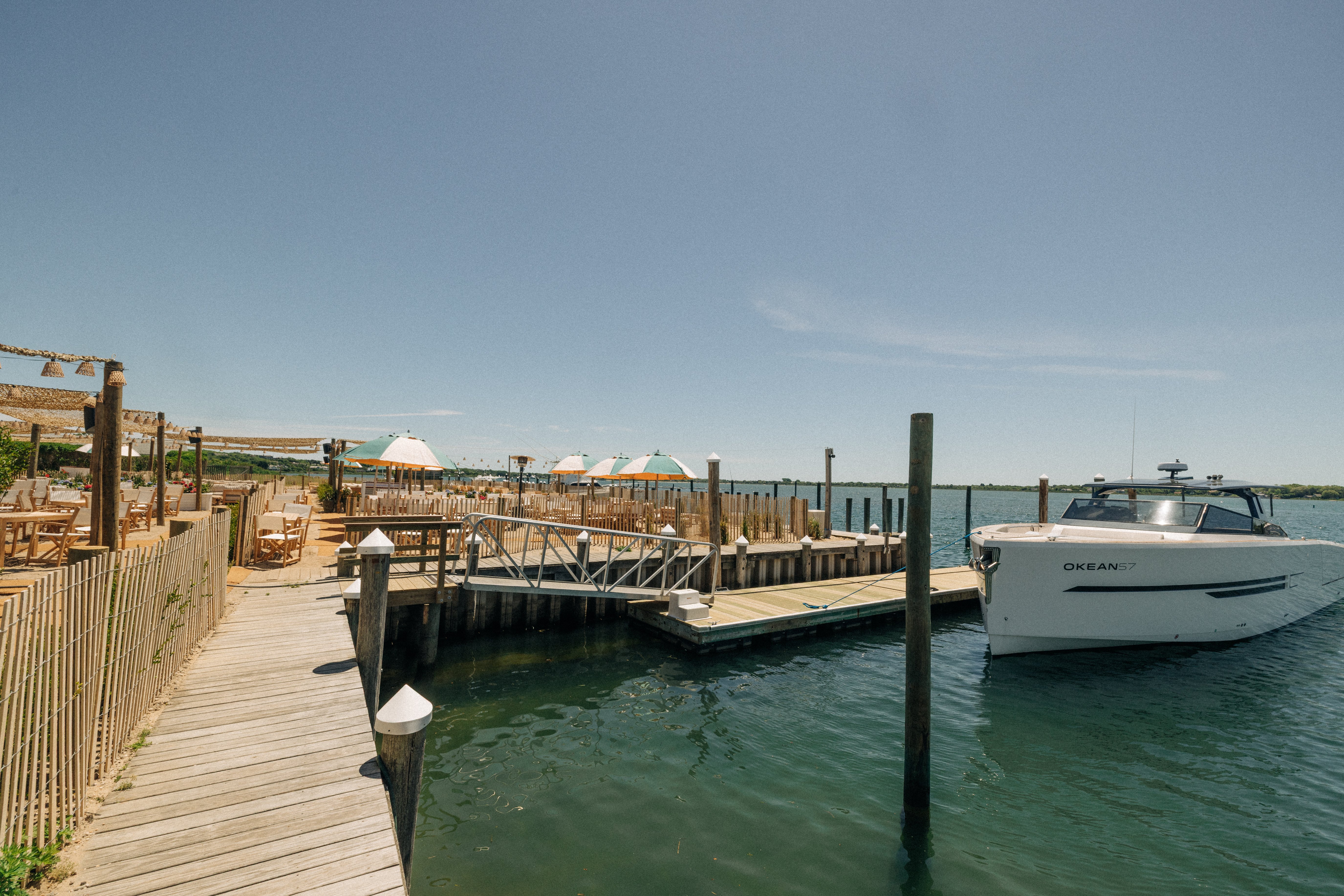
You bought the paint. You blocked out a Saturday. Then the yard says no.
It happens every spring, and owners tend to take it personally. It usually is not personal. The decision to paint your own boat bottom carries rules that most people have never had a reason to read.
Here is what sits behind the answer.
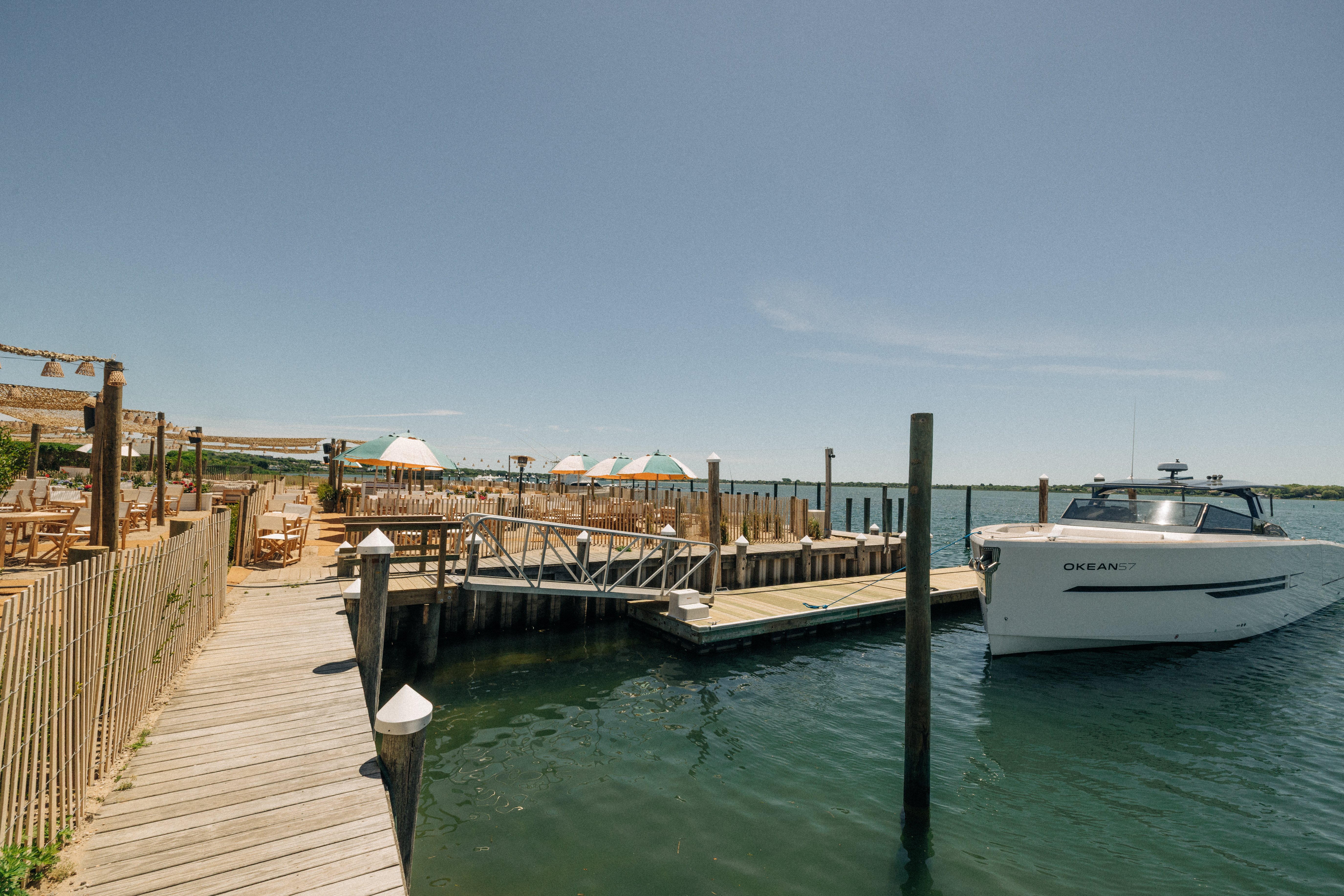
Antifouling paint works because it is poisonous. That is the whole design.
New York Sea Grant's guidance for marinas explains it plainly. Most antifouling paint contains elemental copper, cuprous oxide, or tin compounds. Those substances kill organisms that try to attach to the hull. They are toxic to marine life by design, and they can be absorbed by edible fish and shellfish.
The same guidance notes that some forms of copper and tin are hazardous to marine organisms at concentrations measured in parts per billion. It puts a part per billion at roughly one drop in 21,000 gallons.
It also lists how the toxins actually get into the water. Spillage. Sanding. Sandblasting. Scraping. Paint chips left on the ground or a driveway travel into the water with stormwater runoff.
That is why a yard cares where you sand bottom paint.
Mill Creek is a small tidal creek. It drains into Noyac Bay. These are working shellfish waters, not an abstract watershed on a map.
Paint dust that blows off a hull here does not vanish. It lands somewhere close.
Policies differ, so ask rather than assume. The requirements you hear most often look like this.
Dust free or vacuum sanding rather than open dry sanding. Tarps or ground containment under the boat. A designated work area rather than wherever your boat happens to sit. Collection of chips and dust, and proper disposal rather than a shop broom and the nearest bin.
Some yards let you paint your own boat bottom under those conditions. Some do not allow it at all. Both positions are defensible.
Ask before you buy anything.
Is owner work below the waterline allowed here? Do I need a vacuum sander, and can I rent one? Is containment required under the hull? Where do chips and dust go? Can I supply my own paint? If not, what do you charge per gallon?
That last pair matters more than people expect. Yards commonly sell paint above wholesale, and some will not allow outside product through the gate.
The job splits into prep and paint, and prep is where the cost lives.
The hull has to be clean and dry before anything goes on. Growth that comes off easily on haul day turns into sanding if it dries first. That is why we wash the same day the boat comes out of the water. It is the cheapest hour of the whole job.
What is already on your hull also drives the price. Ablative paint can usually go over hard paint. Hard paint over ablative usually means stripping first. Our boat bottom painting page walks through that difference in detail.
Our labor is $500 plus material for boats under 25 feet. Boats over 25 feet get a written quote, because surface area and paint volume do not scale in a straight line with length. We confirm the material cost with you before we open a can.
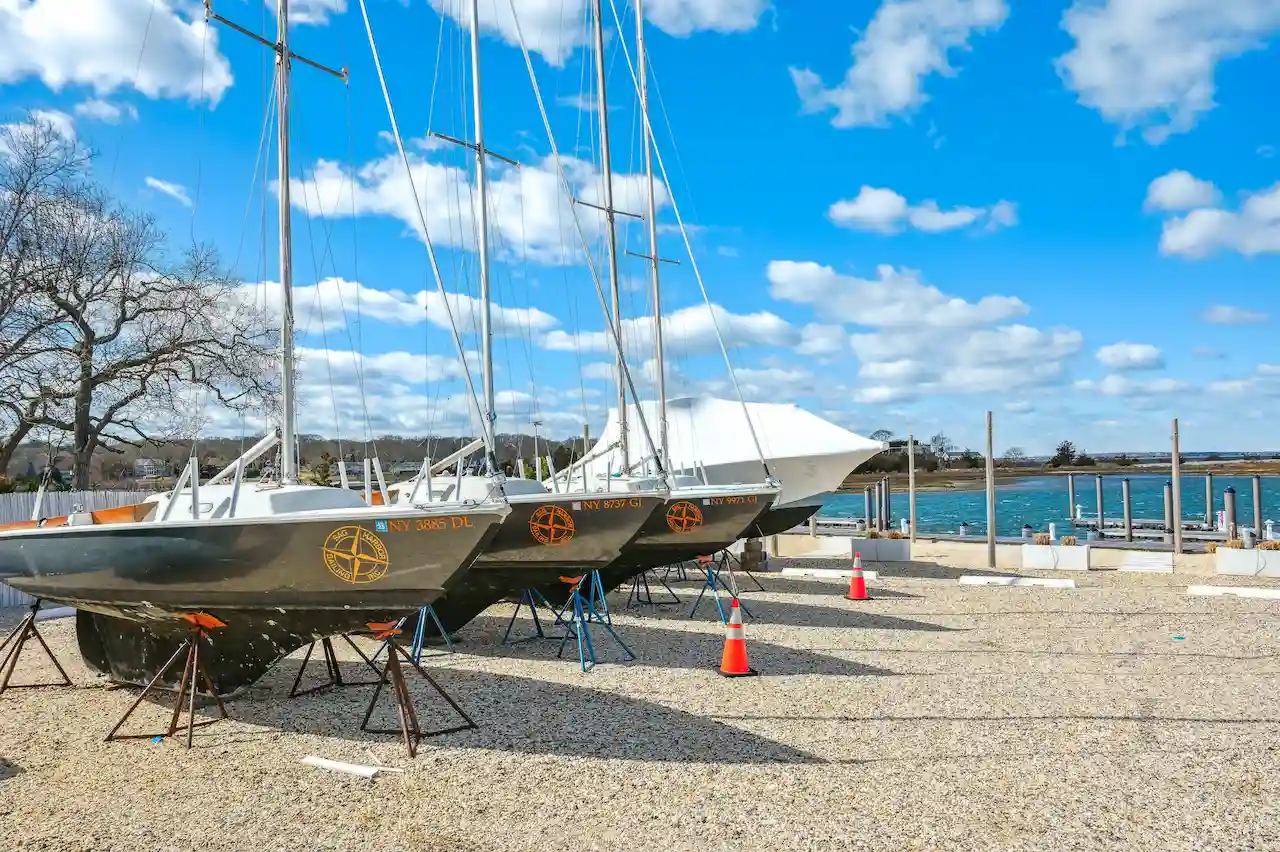
Bottom work happens on the hard, so the boat has to come out first. Our haul out is $300 and includes the lift, wash, blocking, and next spring's launch.
Environmental rules and yard policies change, and they are not identical from town to town. Nothing here is a legal opinion. Treat it as the set of questions worth asking, then get your specific answer from the yard holding your boat.
Call or text 631-500-7777, or email captain@yachthampton.com. Tell us your boat's length and, if you know it, what paint is on it now. If you do not know, we can look when we haul you. Estimates are free.
Yacht Hampton Boating Club and Marina, 51 Pine Neck Ave, Sag Harbor, NY 11963.
The boat goes in the water in May. The empty rig goes in the driveway. That is the plan almost everyone makes, and most people never check whether it...
Most owners book a fall haul out for one reason. The season is over. There is a second reason, and it is sitting in your insurance policy right now....
Two yards quote you a price per foot. One says $40. One says $75. The cheap one wins, right?