
Boat Handling Instruction in Sag Harbor
Most boaters are fine once they clear the channel. The trouble is the last hundred feet.
There is a particular silence that falls over a boat during a bad docking approach. The person at the helm goes quiet. Everyone aboard finds something interesting to look at. Somebody on the dock starts walking over to help, which somehow makes it worse.
Boat handling instruction is the close-quarters half of boating, and it is the half that keeps people off the water. It is also the part almost nobody is formally taught. We teach it at our marina on Mill Creek in Noyac, at 51 Pine Neck Ave, as part of our boating instruction in Sag Harbor.
What Boat Handling Instruction Covers
This is a physical skill. You do not read your way to it. You get it through repetition, with someone beside you who can tell you what your boat is about to do before it does it.
Approaches and Docking
Coming into a slip with wind on the beam. Approaching with current running against you. Judging your angle early enough that you still have options.
Aborting cleanly when an approach has gone wrong is the single most valuable skill in this discipline, and almost nobody practices it. We do.
Backing and Pivoting
Backing into a slip and keeping the stern where you put it. Pivoting in a fairway barely wider than your boat. Working out how your particular hull walks under reverse thrust, because they all do it differently.
Spring Lines
How to use a spring line to bring a boat alongside under control. How to leave a dock in wind using lines instead of throttle. How one person can dock a boat alone.
Spring line technique is old, unglamorous, and it makes single-handed docking possible. We spend real time here.
Holding and Waiting
Holding position while a slip clears. Station keeping in current. Staying calm and stationary is harder than it looks and comes up constantly.
Wind, Current, and a Three-Foot Tide
Why the Same Slip Behaves Differently
Tides here move roughly three feet, and current through the creek sets differently depending on the stage of tide.
A slip that felt forgiving at slack water in the morning is a different problem on a falling tide that afternoon. We schedule sessions across tide stages deliberately, so you experience your boat behaving more than one way.
Windage and Hull Shape
A high freeboard boat with a flybridge catches wind like a sail. A low center console does not. Owners moving up in size are usually surprised by how much more the wind does the deciding.
We work on your own boat where possible, so what you learn transfers directly.
Single Engine and Twin Engine
These are genuinely different skills. Twin-engine handling lets you steer with throttles and largely ignore the wheel at low speed. Single-engine work depends far more on prop walk, timing, and lines.
We teach both, and we do not pretend one translates to the other.
Why Practice at Our Docks
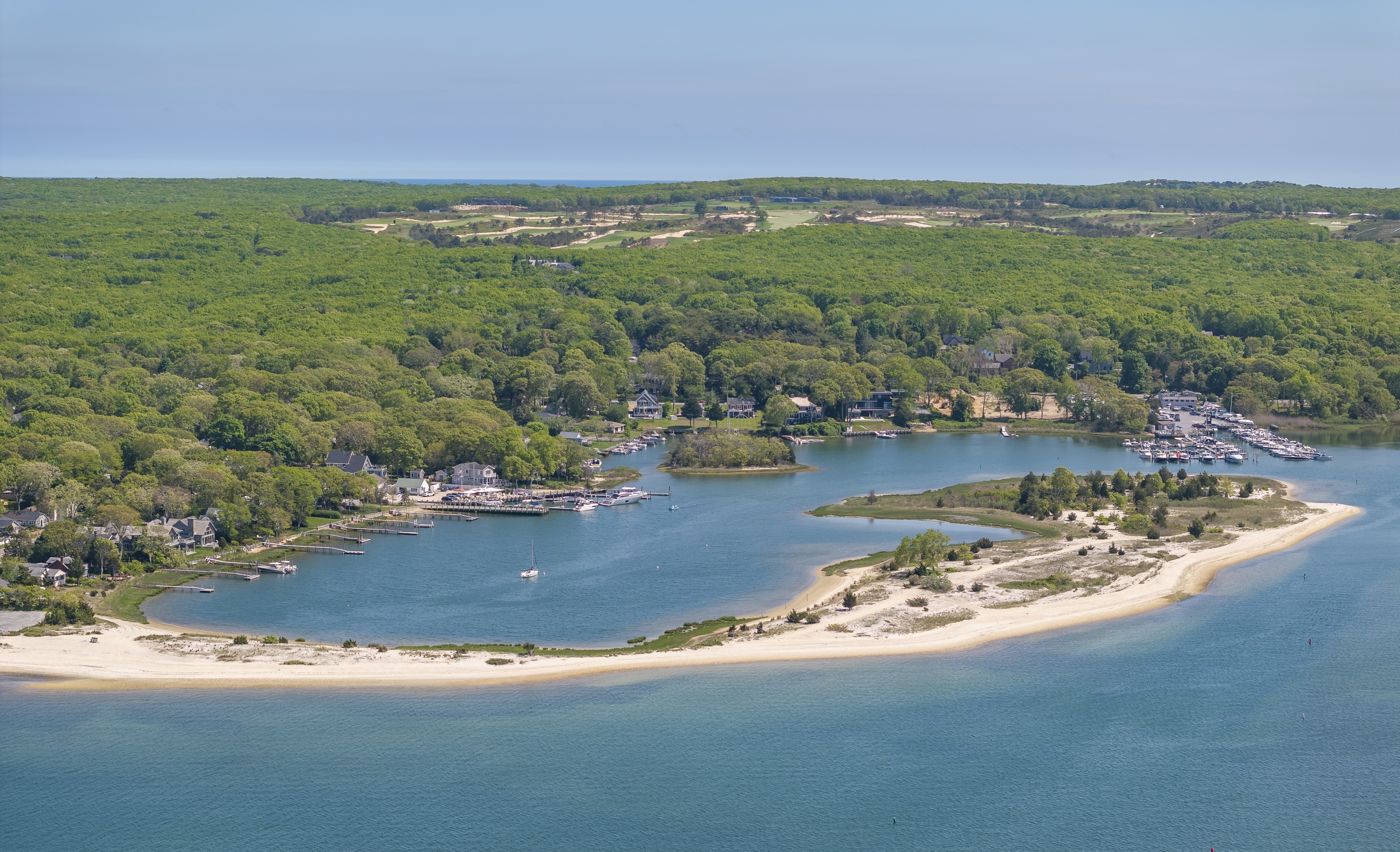
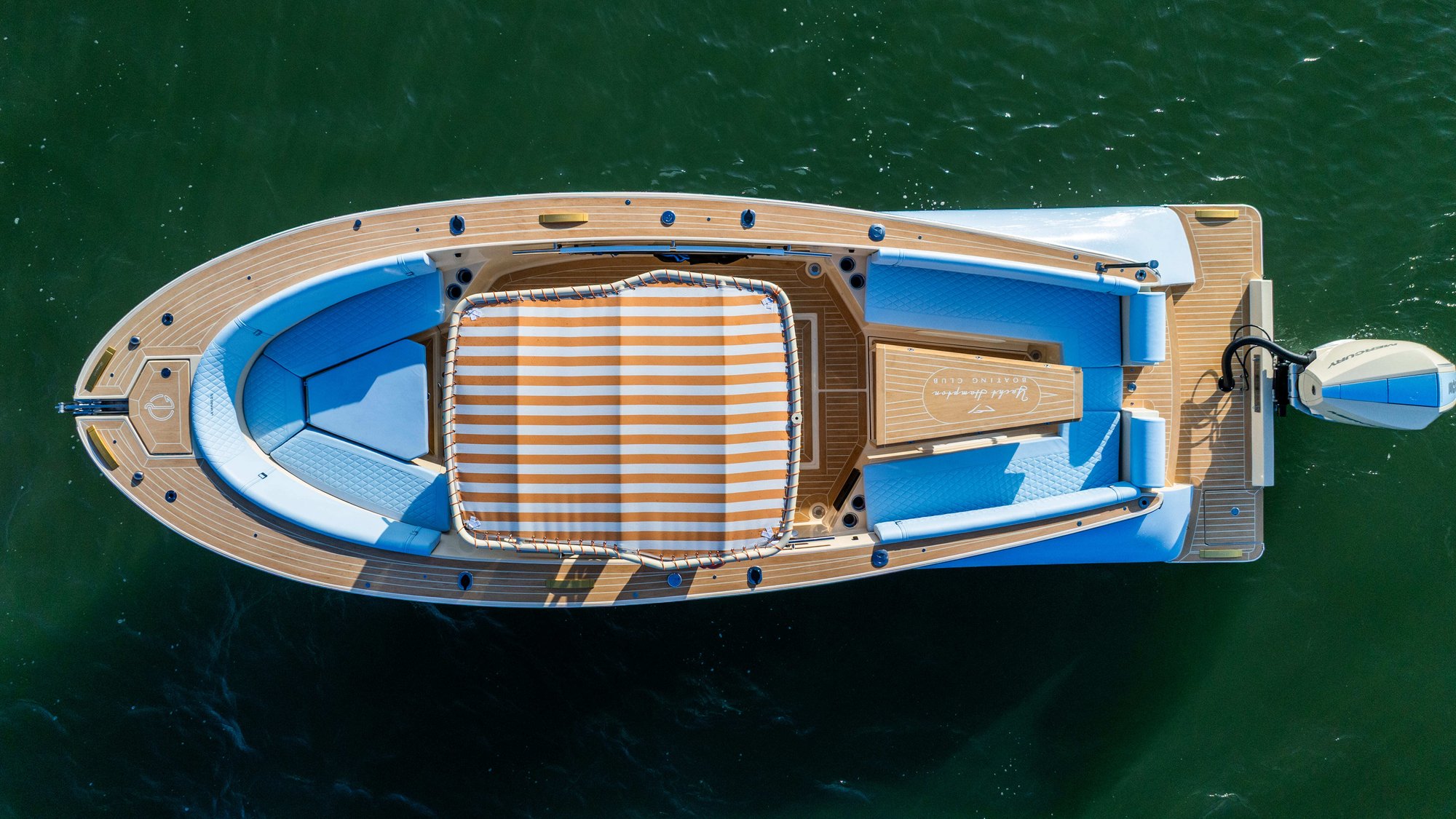
Our marina sits in a protected cove off Mill Creek in the Pine Neck area of Noyac. Short fetch, calm water, no ocean swell.
That is the right place to make mistakes. Learning to dock in exposed water means every error costs more and teaches less.
We practice against our docks and marina amenities, which include 26 slips along Brazilian IPE wood and a fairway that rewards precision. Maximum draft is five feet and we take vessels from 13 to 57 feet. The approach runs in through a privately dredged channel marked with private seasonal buoys rather than federal aids. Running it a few times with an instructor removes a real source of anxiety for boaters new to the area.
Who This Is For
Owners who can cruise all day but hate the dock. Anyone who has traded up and found their old habits no longer work. Single-engine owners who want proper spring line technique. Couples who want both people capable of bringing the boat in.
We also see a fair number of experienced boaters who were simply never taught this properly and have been improvising for a decade.
The Situations That Cause Most of the Damage
Insurance claims at marinas cluster around a small number of scenarios. We drill all of them.
Wind on the Beam During an Approach
The most common one. You line up correctly, lose speed, and the wind takes the bow before you can do anything about it.
The fix is counterintuitive. Most people slow down when they get nervous, which removes the steerage they need. We work on carrying enough way to stay in control and on choosing an approach angle that lets the wind help rather than hurt.
Reverse Not Doing What You Expected
Prop walk pulls the stern to one side under reverse thrust, and every boat does it differently. Owners who have never had it explained assume the boat is misbehaving.
Once you know which way your stern walks, you can use it. It stops being a problem and becomes a tool.
The Late Abort
Someone realizes the approach is wrong, hesitates, and by the time they act the options are gone.
We practice aborting early and often, until backing out and going around feels routine rather than like an admission of failure. This single habit prevents more damage than any other.
Fenders and Lines in the Wrong Place
A surprising share of dock damage is preparation, not driving. Fenders set at the wrong height for the tide. Lines not ready. Crew holding a line with no plan for what to do with it.
We cover the whole sequence, including what your crew should be doing and when.
How a Session Runs
You are at the helm the entire time. We do not spend an hour demonstrating while you watch, because watching teaches almost nothing here.
Expect repetition. Most sessions involve the same approach done many times with small changes each round. That is what builds the reflex.
We stop between rounds to talk through what happened while it is fresh. Sessions run during the boating season, May 1 through October 31.
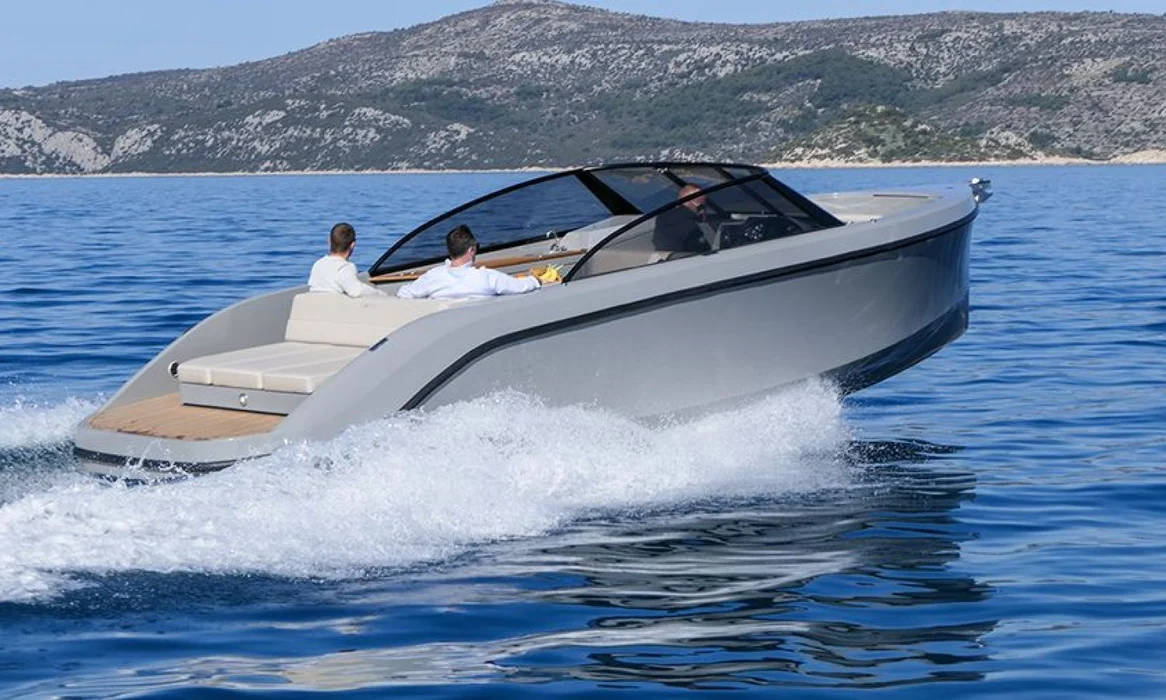
Make the Dock Boring
The goal is not to make docking exciting. The goal is to make it dull. A well-handled approach should be the least memorable part of the day.
We teach on protected water at a marina that has been working since 1953, with a team here year round. Bring your own boat or work on ours.
Call 631-500-7777 to book boat handling instruction in Sag Harbor.